

VALENTINES DAY 2026
Love, Singles and the Cultural Shift Brands Need to Understand.

Valentine’s Day has long been synonymous with roses, couples dinners and grand romantic gestures. But in 2026, the narrative around love, relationships and how we celebrate them looks very different. With Valentine’s Day falling on a Saturday this year, people have more time to celebrate, making the day not only about romance but also about friendships, self-love and social gatherings, creating new opportunities for brands and creators.
In an era where relationships are debated, deconstructed and sometimes even muted on social media, influencer marketing can play a crucial role in helping brands stay relevant, relatable and culturally fluent.
WHO’S ACTUALLY DRIVING VALENTINES DAY CONSUMPTION?
From a data perspective, Valentine’s Day is still a strong commercial moment, but the who and how are evolving.
Women aged 25 to 44 remain the most active consumers of lifestyle, beauty and gifting content around Valentine’s Day and are often the ones driving household purchases (Statista, 2025). At the same time, Gen Z and Millennials are heavily influenced by creator-led content on platforms like Instagram and TikTok, where they look for inspiration around gifts, experiences, and self-care rather than traditional couple-centric messaging (Meta Insights, 2024).
This means Valentine’s Day is no longer a one-note campaign moment. Brands need to speak to multiple emotional states, partnered, single, skeptical, ironic, and everything in between.
THREE KEY VALENTINE’S DAY TRENDS FOR 2026
1. Romance is still relevant, but it’s subtler than before
Yes, couples are still celebrating. And with Valentine’s Day landing on a Saturday in 2026, it’s an ideal year for dinners, weekend getaways, concerts and shared experiences.
However, how romance is shown has changed. Following a wider cultural shift discussed recently by Vogue (2025), overt “boyfriend content” has become increasingly uncool. Instead of hard-launching relationships, creators are opting for softer signals: clinking wine glasses, a hand on a steering wheel, or a faceless dinner companion.
For brands, this opens the door to more aesthetic, experience-driven storytelling rather than overt couple declarations. Influencers can showcase moments without making the relationship itself the main character, which often performs better with today’s audiences.
And yes, the classic joke still applies: if your partner hasn’t asked you to be their Valentine, does it even count? That self-aware humor is exactly what resonates right now.
2. Single is the flex: Self-love, icks & galentine’s energy
2026 is shaping up to be a great year to be single. The Saturday timing encourages nights out, parties, and self-indulgent celebrations, and influencers are leaning into it hard.
We’re noticing a renewed interest in:
- Self-care routines
- Solo date content
- “Treat yourself” gifting
- Galentine’s celebrations with friends
According to Nielsen’s Trust in Advertising Report (2024), audiences, especially younger ones, respond strongly to creators who frame Valentine’s Day as something you celebrate with yourself or your community, not just a partner.
This trend is also fueled by pop culture moments. In Scandinavia, the show Skavlan & Sverige recently aired an episode entirely focused on relationships, with all guests being single, highlighting how difficult dating has become despite apps, matchmaking, and endless advice.
Shortly after, the Swedish influencer Hanna Friberg went viral discussing her “icks”, reigniting a massive conversation across TikTok and traditional media. Icks, those tiny behaviors that can kill attraction, have become a cultural shorthand for dating fatigue. Men are upset, “boy moms” are defensive, and the discourse is everywhere.
In this climate, being single isn’t a failure, it’s a personality, a stance and sometimes even a brand.
3. Friends, community & shared experiences win
Another clear shift: Valentine’s Day is no longer just about romantic love. Friendships and chosen family are taking center stage.
From Galentine’s brunches to game nights and group dinners, creators are producing content that emphasizes humor, connection, and relatability. According to TikTok Marketing Science (2025), creator-led UGC focused on shared experiences drives higher saves, shares, and engagement than polished, brand-only Valentine’s content.
This is where influencer marketing truly shines. Creators naturally capture the dynamics of friendships in a way brands can’t replicate on their own.
WHY INFLUENCER MARKETING MATTERS ON THIS VALENTINES DAY
Valentine’s Day is emotional, loaded and culturally sensitive, which makes it perfect for influencer-led storytelling.
Creator-driven campaigns generate 2-3x higher engagement than brand-only content when they focus on authenticity and emotional connection (HubSpot, 2025). Whether the message is romantic, ironic, self-loving, or friendship-first, influencers help brands tap into real-life behaviors and attitudes.
Lately it seems like having a partner can feel a bit tricky online, while being single gets a lot of love, and small turn-offs are all anyone talks about. Brands need to be aware of these vibes if they want to connect.
THE TAKEAWAYS FOR BRANDS
Love still matters, but skip the fairytale clichés.
The brands that will stand out this Valentine’s Day understand their audiences, embrace cultural trends, and work with creators who truly live those moments.
At the end of the day, Valentine’s 2026 isn’t just about relationships, it’s about celebrating love, friendship, and self-expression in your own way.
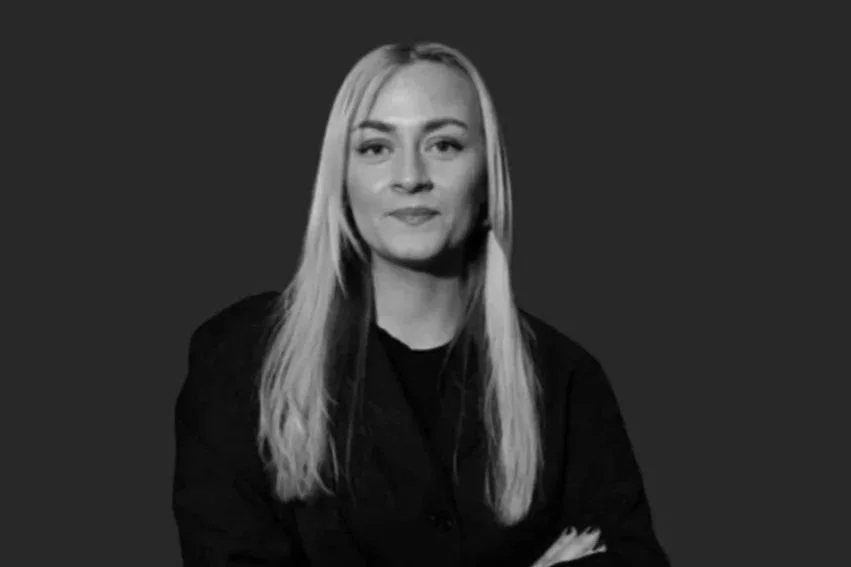
AUTHOR
LINA SALLANDER
Brand Marketing Specialist
& Influencer Researcher
United Influencers Sweden

FOR MORE INFORMATION
JAKOB WIGSELIUS
CEO
United Influencers Scandinavia
ELLE Norway