

INFLUENCER MARKETING IN EUROPE
“What brands need to know about regulation in 2026 and beyond”
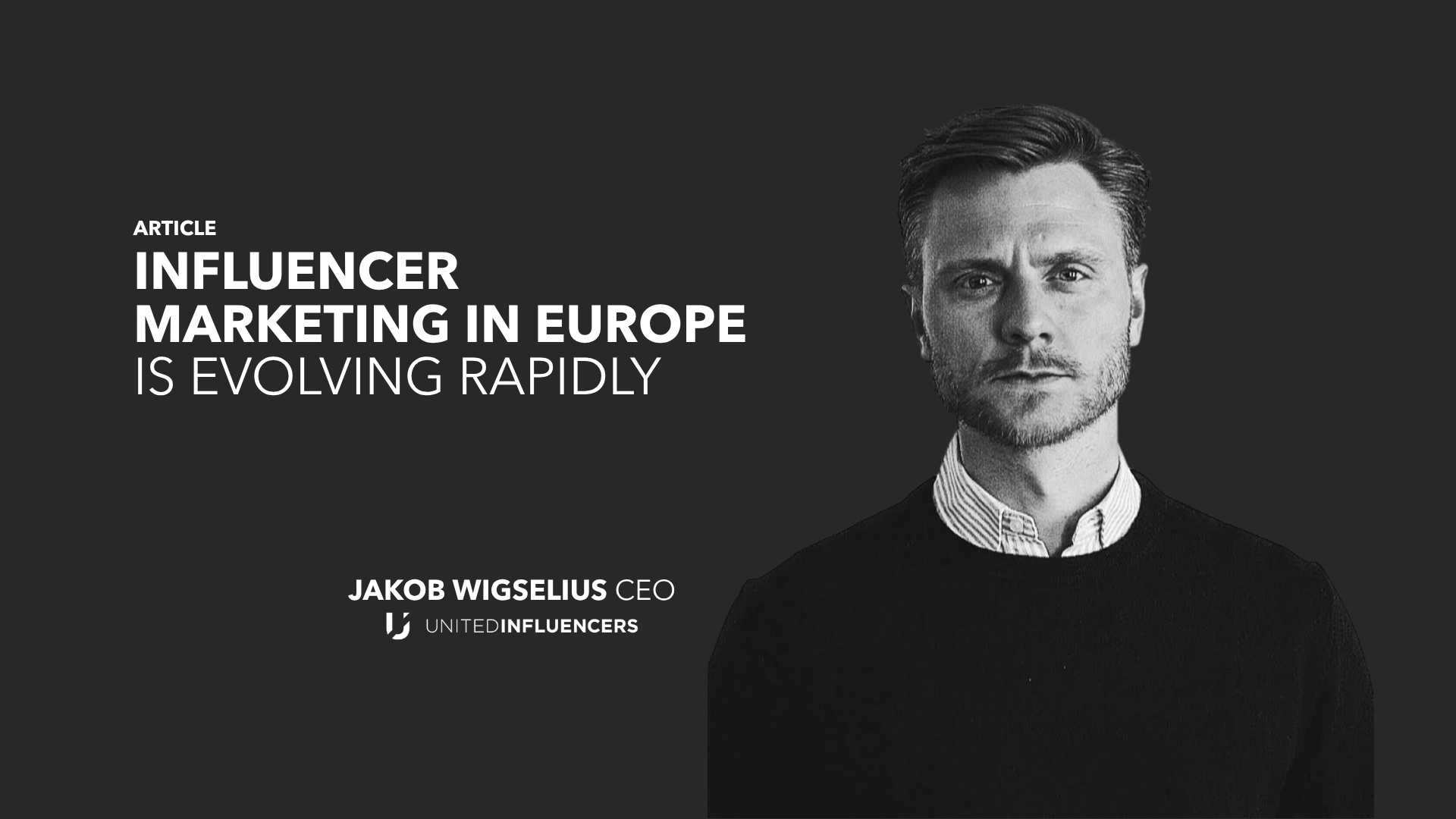
Influencer marketing in Europe has entered a new phase. What was once seen as a fast-moving, lightly regulated part of the media landscape is now becoming a mature, accountable ecosystem, shaped by clearer rules, stronger enforcement and rising expectations on transparency.
This shift is not about limiting creativity. It’s about building long-term trust between brands, creators and consumers.
FROM ‘WILD WEST’ TO PROFESSIONALISED INDUSTRY
Across Europe, influencer marketing is undergoing rapid professionalisation. Countries like France and Italy have taken the lead by formally defining commercial influence in law and recognising influencers as professional actors within advertising and media ecosystems.
At the same time, industry bodies and self-regulatory organisations are playing a growing role. Initiatives such as AdEthics, EASA and the European Influencer Marketing Alliance (EIMA) show how public authorities and the industry are increasingly working together, not against each other.
The message is clear: influencer marketing is no longer experimental. It is a serious marketing discipline with shared responsibilities.
EU REGULATION IS RESHAPING THE PLAYING FIELD
Beyond national laws, a wave of EU-level legislation is redefining the rules for brands and creators alike. The Digital Services Act (DSA), upcoming Digital Fairness Act, Green Claims Directive and AI transparency requirements all impact how influencer campaigns are planned, executed and disclosed.
Together, these frameworks raise the bar for:
- Transparency in commercial collaborations
- Consumer protection, especially for minors
- Credibility of environmental and social claim
- Accountability across platforms, agencies and advertisers
For brands, this means influencer marketing can no longer be treated in isolation, it must align with broader legal, ESG and brand safety strategies.
THE CHALLENGE
Despite progress, Europe still faces a key challenge: consistency. Disclosure rules, terminology and enforcement vary significantly between countries. What is compliant in one market may fall short in another, particularly when influencers operate across borders.
This fragmentation increases the importance of local expertise, clear guidance and proactive compliance. Brands that rely on “one-size-fits-all” influencer strategies risk reputational and legal exposure.
WHAT THIS MEANS FOR BRANDS IN 2026
- Work with professional, well-informed creators
- Partner with agencies that understand both local and European frameworks
- Build compliance and transparency into campaigns from the start
- View regulation as a competitive advantage, not an obstacle
Done right, regulation doesn’t weaken influencer marketing, it strengthens it. It creates a safer, more credible environment where creativity, trust and performance can coexist.
At United Influencers, we work at the intersection of creativity, compliance and long-term brand trust. With deep local expertise across the Nordic markets and a strong understanding of the evolving European regulatory landscape, we help brands navigate influencer marketing responsibly, without losing impact or authenticity. In a more regulated future, the right partnerships matter more than ever.
LOOKING AHEAD
The coming year is expected to bring further developments, including expanded AdEthics certification, stronger enforcement of EU digital laws, and continued updates to national influencer regulations.
Influencer marketing in Europe is growing up. For brands willing to adapt, this maturity offers something invaluable: trust at scale.

FOR MORE INFORMATION
JAKOB WIGSELIUS
CEO
United Influencers Scandinavia
ELLE Norway