

HOW SOCIAL MEDIA SHAPES OUR VIEW OF HEALTH AND FITNESS
INTERVIEW
Friskis&Svettis wants to shift the focus from body ideals to the joy of movement at a time when fitness messages are increasingly shaped by social media. Through the initiative #nollkroppshets (#zerobodyshaming), the organisation aims to broaden the perception of exercise and counter body shaming, particularly among young people.
As professionals within influencer marketing, we see every day how trends are shaped through social media. We sat down with Mia Qwärnström, CEO of Friskis&Svettis Stockholm, to talk about body shaming in digital environments, emerging trends, and the role social media and creators can play in promoting a more inclusive view of health.
Friskis&Svettis is one of Sweden’s most well-known fitness organisations and a non-profit association that has worked for nearly 50 years to make exercise accessible to everyone. Founded in Stockholm in 1978, the organisation has grown into one of the country’s largest fitness movements, with the ambition of offering enjoyable, accessible and high-quality training regardless of individual circumstances.
At the heart of the organisation is the concept of the joy of movement, where exercise is seen as something that contributes to everyday wellbeing rather than performance or physical appearance. This philosophy continues to guide Friskis&Svettis today, at a time when fitness and health messages often reach young people through social media and are influenced by comparison and appearance ideals.
“We are a non-profit organisation that has worked to improve public health ever since we were founded. The enjoyable aspect is important – exercise should be about feeling good, not the opposite”, says Mia.
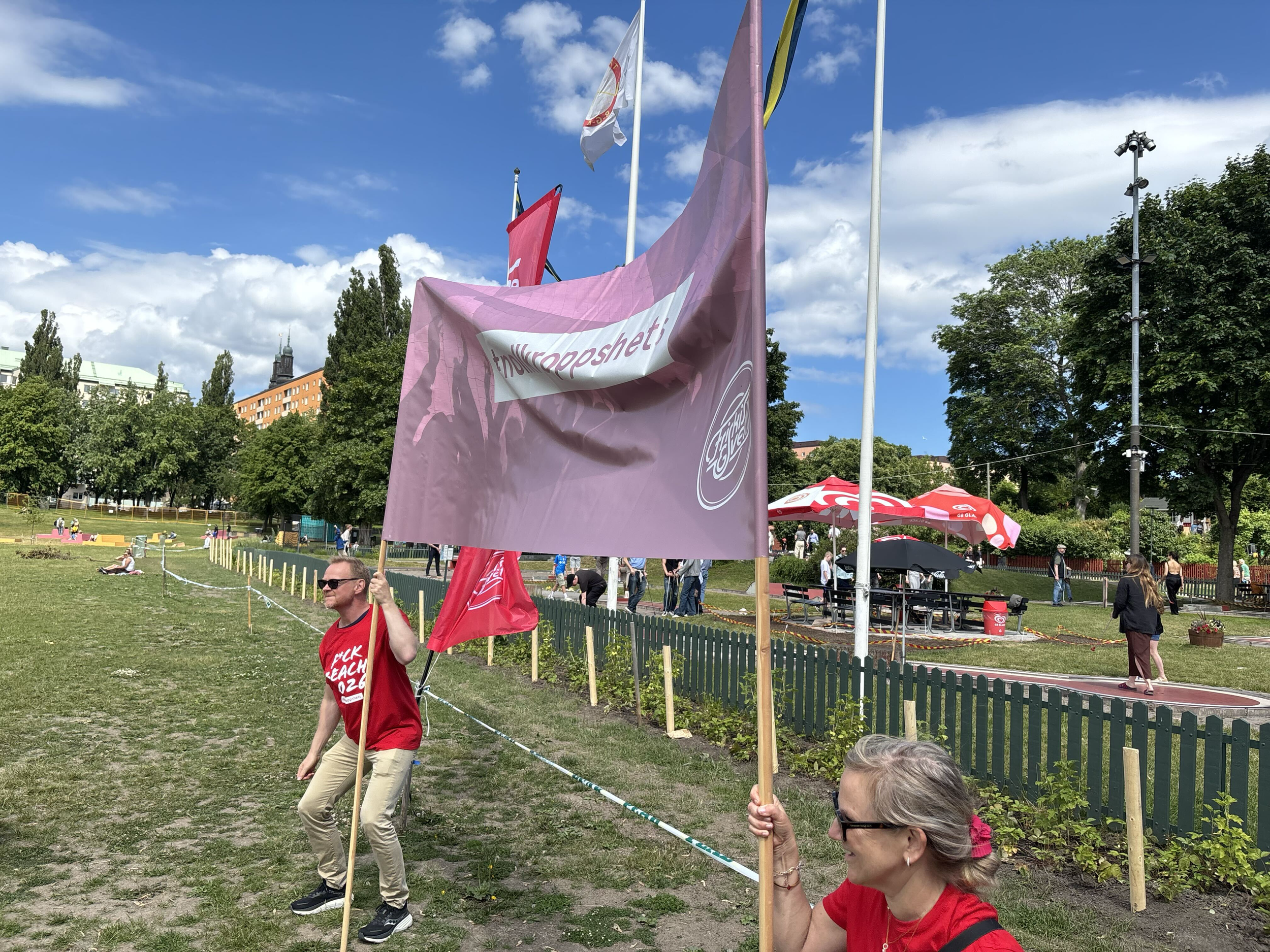
Tantolunden, Stockholm (13 juni 2026)
BODY SHAMING IN FITNESS CULTURE
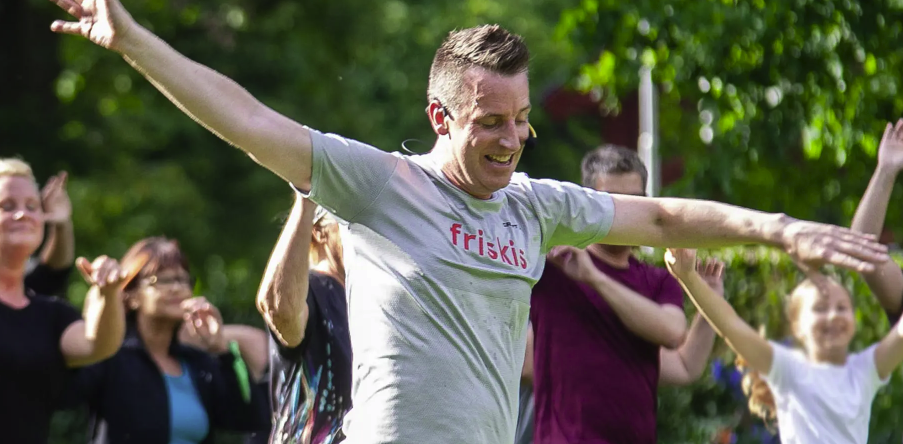
This weekend, Friskis&Svettis Stockholm is organising the F*ck Beach 2026 event in Tantolunden, an initiative rooted in the organisation’s long-term work against body shaming under the banner of #nollkroppshets. The message is about shifting the focus away from body ideals and the concept of the “summer body” and towards exercise as something enjoyable, empowering and accessible to everyone.
“We want more people to discover exercise as something that brings joy and self-confidence, not as a project to change their appearance”, says Mia.
The initiative builds on work that has been ongoing since 2018, during which the organisation has conducted recurring surveys highlighting how young people in particular are affected by body ideals in digital environments.
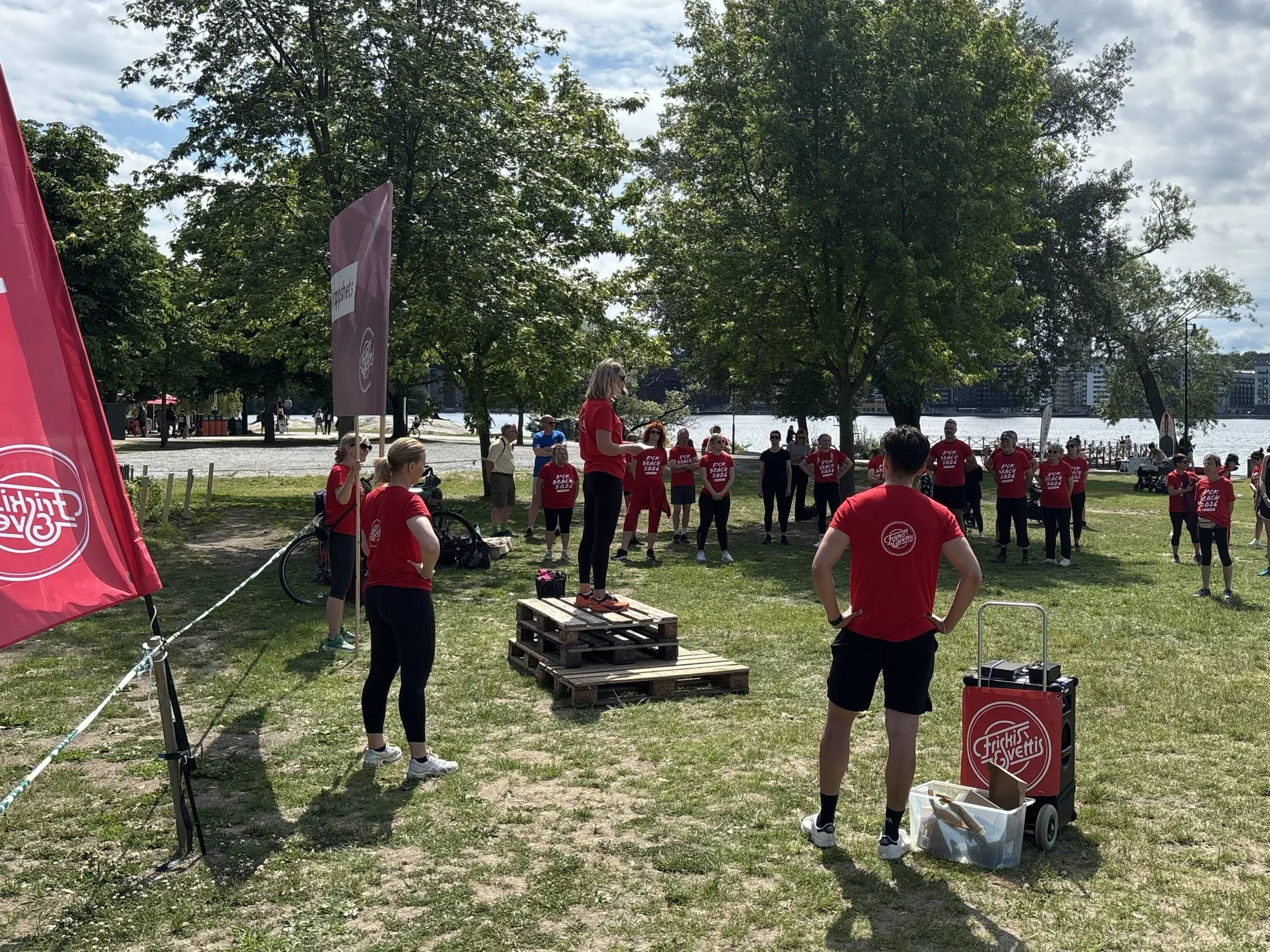
Tantolunden, Stockholm (13 juni 2026)
They also point to the ongoing TikTok trend “looksmaxxing”, which centres around optimising one’s appearance. This can involve everything from fitness and beauty routines to more extreme methods aimed at changing facial features, enhancing aesthetics and obsessively tracking health metrics. The phenomenon reflects a digital culture in which appearance, performance and constant self-improvement are continually measured and compared online.
“Six out of ten young people say that social media negatively affects how they view their own bodies”, explains Mia. “Many feel bad just thinking about exercise”.
SOCIAL MEDIA: A PLATFORM FOR CHANGE
While Friskis highlights the challenges associated with body ideals in digital environments, the organisation also sees social media as a potential platform for positive change. According to the organization, it ultimately comes down to which perspectives dominate people’s feeds over time.
“Social media can both reinforce unhealthy ideals and be a force for positive change. It depends on which stories and role models are given space. Exercise should be about feeling good. That is a message we need to continue promoting, and we cannot do it alone. We want to influence and collaborate with other voices and creators”, says Mia.
For this reason, the organisation emphasises the importance of broadening representation in the way fitness and health are portrayed, allowing more body types, life situations and motivations to be visible.
PERSPECTIVES ON CREATORS AND COMMUNICATION
We also asked how Friskis Stockholm views the role of influencers in a media landscape where fitness and health messages are increasingly shaped by social media. Their response focused on expanding the range of voices that are heard, rather than changing individual creators.
“We do not believe the solution is to point fingers at individual creators. On the contrary, it is about creating space for more voices that want to contribute to a more inclusive view of fitness, body image and health. Influencers have a unique opportunity to broaden the perception of health and exercise, and there are already many creators who communicate the same message that we do: you are enough exactly as you are”, she says.
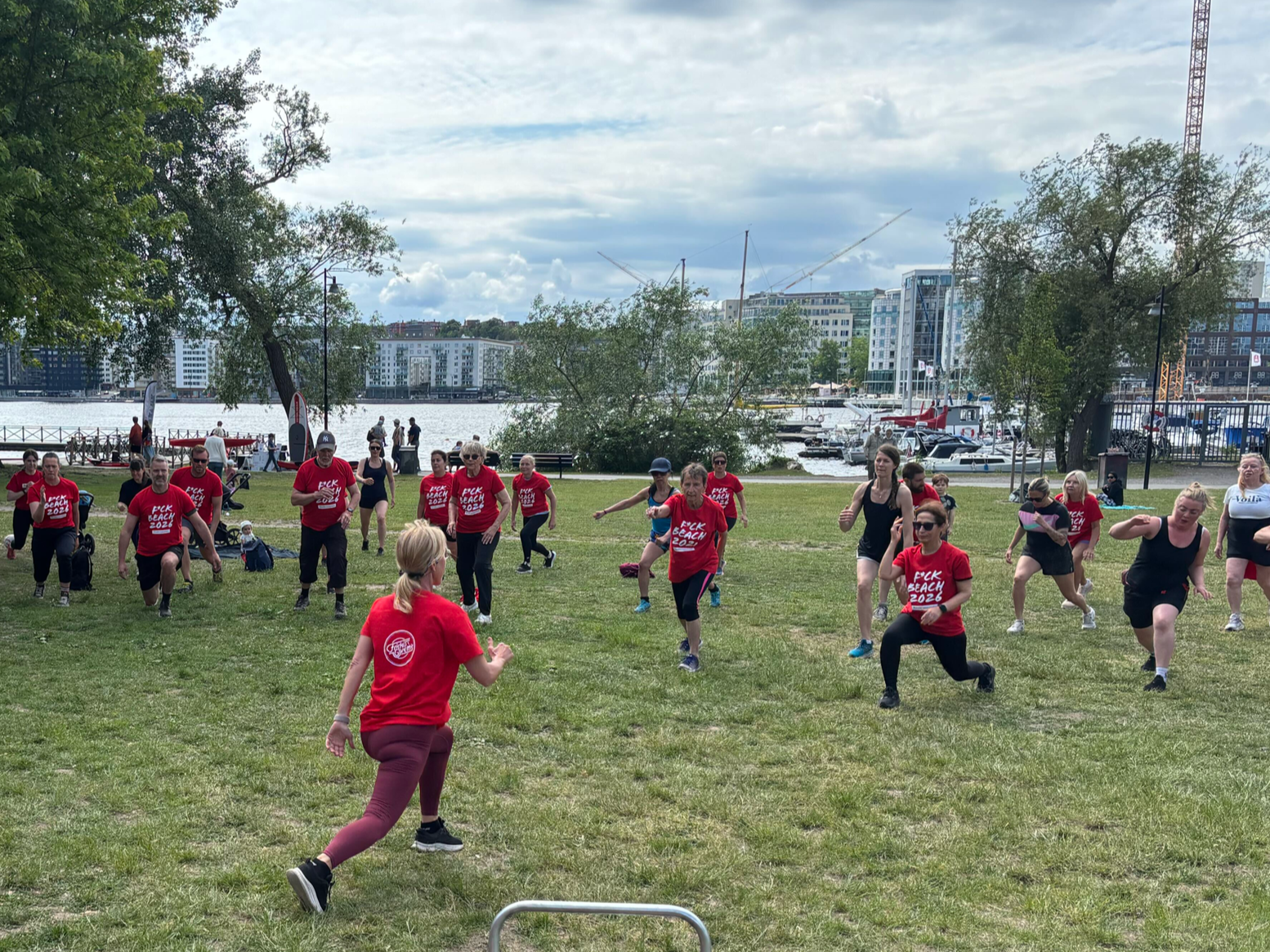
Tantolunden, Stockholm (13 juni 2026)
A LONG-TERM COMMITMENT RATHER THAN A SINGLE CAMPAIGN
#nollkroppshets is described as part of Friskis&Svettis Stockholm’s overall values-driven work rather than a standalone campaign. It includes both internal communication guidelines and collaborations with organisations working in the fields of mental health and eating disorders.
“The most important thing is that the message is genuinely authentic. Authenticity is crucial in everything we do”, says Mia.
In a media landscape where fitness, health and identity are increasingly shaped by digital feeds, Friskis&Svettis wants to continue positioning itself as a counterbalance, focusing on the joy of movement, community and wellbeing.
Do you live in the Stockholm area? Join Friskis&Svettis Stockholm for outdoor training sessions in Tantolunden all summer long!
Read more about this weekend’s demonstration here.
Stay active this summer with Friskis’ free outdoor training sessions - read more here.
AUTHOR
LINA SALLANDER
Brand Marketing Specialist
& Influencer Researcher
United Influencers Sweden

FOR MORE INFORMATION
JAKOB WIGSELIUS
CEO
United Influencers Scandinavia
ELLE Norway